If you live in Frisco, you already know allergy season does not politely stay in one season.
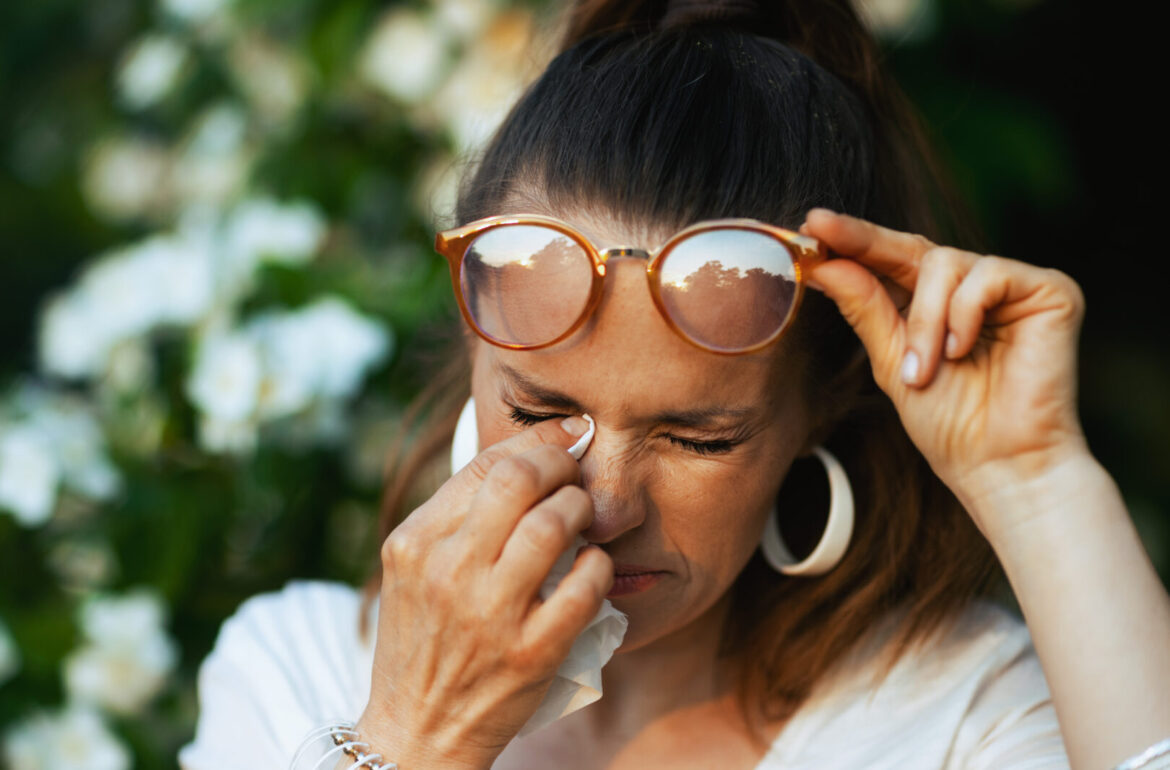
One week your eyes feel fine. The next, they’re red, watery, itchy, burning, or irritated every time you step outside. Add North Texas wind, heat, and dry air into the mix, and summer eye allergies can become more than a minor annoyance.
For many people, symptoms are mild but constant. For others, they are uncomfortable enough to make it hard to work, drive, wear contacts, or enjoy time outside.
So how do you know if your red, itchy eyes are “just allergies” or something that needs an eye exam?
Let’s break it down.
Why Are My Eyes So Itchy and Red?
Itchy, red eyes are commonly caused by eye allergies, especially when pollen counts are high. In Frisco, symptoms can flare when the air is full of a mix of tree pollen, grass pollen, weeds, and other outdoor allergens.
Not every type of pollen causes the same symptoms for every person. Some allergens may affect your nose more than your eyes. Others can cause burning, watering, mild inflammation, and that gritty, irritated feeling that makes you want to rub your eyes.
But rubbing is one of the worst things you can do.
When your eyes are already irritated, rubbing can make inflammation worse and intensify the itching. It may feel good for a second, but it usually makes symptoms come back stronger.
What Should You Do When Your Eyes Are Really Itchy and Red?
Start with the basics:
Do not rub your eyes.
If you have an antihistamine eye drop that has worked well for you before, use it as directed. These drops can help calm the allergic response and reduce itching.
If you do not have an allergy eye drop, a lubricating dry eye drop can still help. Artificial tears may dilute allergens and histamine on the surface of the eye, which can temporarily ease irritation.
No drops nearby? Try a cold compress. Place a clean, cold towel over your closed eyes for a few minutes to help reduce itching, redness, and swelling.
Also, pay attention to patterns. If your eyes feel worse after being outdoors, after mowing, after windy days, or when local pollen counts are high, allergies may be part of the problem.
What Causes Eye Allergies in the Summer?
Summer eye allergies are often tied to grass pollen early in the season and ragweed later in the summer. In North Texas, wind can also move allergens around quickly, which means symptoms may change from week to week.
That is why one summer may feel manageable, and the next may feel brutal.
For many Frisco residents, seasonal allergies follow a pattern:
- Tree pollen often appears earlier in spring.
- Grass pollen tends to build in late spring and early summer.
- Ragweed usually becomes more noticeable in late summer and can continue into fall.
- Other weeds, grasses, and outdoor irritants can add to the problem.
Once you understand your personal allergy triggers, it becomes easier to anticipate when your eyes may flare up and when you may need extra support.
How Long Do Seasonal Eye Allergies Last?
 That depends on what you are allergic to.
For some people, symptoms last a few weeks. For others, eye allergy symptoms can come and go for months because different allergens peak at different times.
In Frisco, seasonal allergies can feel especially unpredictable because pollen and irritants shift with the weather, wind, and time of year.
If your symptoms return every year around the same time, seasonal allergies may be the cause. But if your eyes stay irritated even when pollen counts are lower, dry eye or another condition may also be contributing.
That is an important distinction.
Allergies and dry eyes can feel similar. Both can cause redness, burning, watering, and discomfort. But they are not treated the same way. That is why an eye exam can be helpful when symptoms linger, worsen, or keep coming back.
How Do You Know If It Is Allergies or an Infection?
Allergies usually cause itching, watering, mild redness, and sometimes swelling. Both eyes are often affected, especially after exposure to pollen, grass, dust, or other allergens.
Infections are usually more intense. They may cause more significant pain, thick discharge, crusting, light sensitivity, or symptoms that get worse quickly. A red eye with pain should always be taken seriously.
Contact lens wearers should be especially careful. Contacts can make irritation and inflammation worse, and some contact lens-related eye problems need prompt treatment.
When Should You Be Worried About Itchy or Red Eyes?
It may be time to schedule an eye exam if:
- Your symptoms last more than a week.
- Your eyes keep getting worse, even with allergy drops.
- You have eye pain.
- You notice discharge, crusting, or significant swelling.
- Your vision changes or becomes blurry.
- Light starts bothering your eyes.
- You wear contacts and your eyes are red or painful.
- You are not sure whether it is allergies, dry eye, or an infection.
Mild allergy symptoms may improve with the right over-the-counter drops, cold compresses, and avoiding triggers. But if your eyes are painful, worsening, or not improving, an optometrist should take a closer look.
What to Expect During a Red Eye Exam
If your eyes stay red, itchy, irritated, or painful, an eye exam can help determine the real cause of your symptoms.
During a red eye exam, your optometrist can evaluate the surface of your eyes, check your vision, and examine your eyes with specialized equipment to look for signs of inflammation, infection, dry eye, contact lens irritation, or other concerns.
This step matters because red eyes can look similar from the outside, even when the cause is different.
For patients with ongoing burning, gritty, or irritated eyes, a dry eye exam may also help identify whether the tear film is out of balance. From there, treatment may include targeted drops, tear-stabilizing products, in-office therapies, or other options based on what your eyes need.
Schedule Your Red Eye Exam in Frisco, Texas
You do not have to guess your way through eye discomfort.
If your symptoms are not improving, keep coming back, or feel more intense than typical seasonal allergies, schedule a red eye exam with Avant-Garde Optometry in Frisco, Texas.
Our team can help identify the cause of your discomfort and recommend the right next step for healthier, more comfortable eyes.