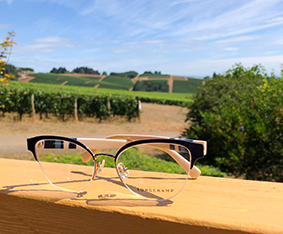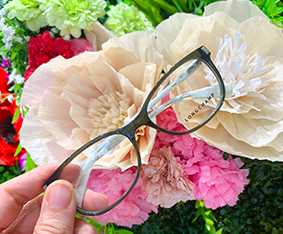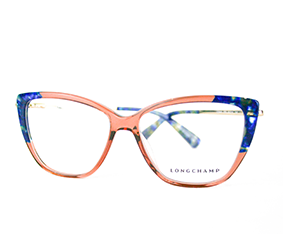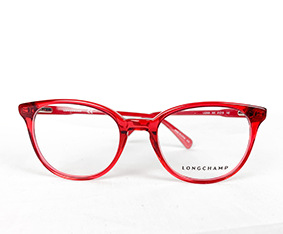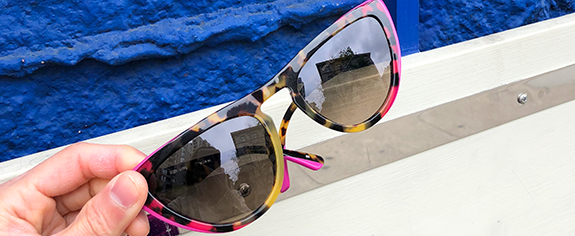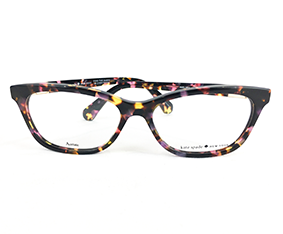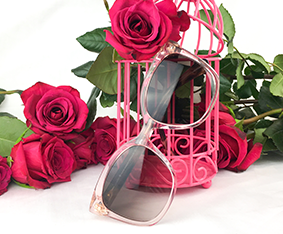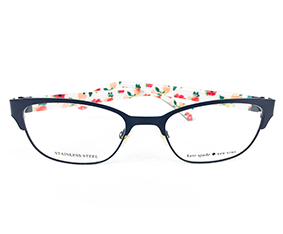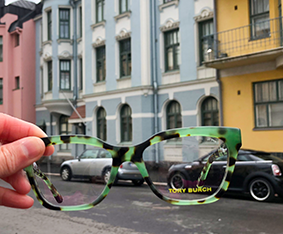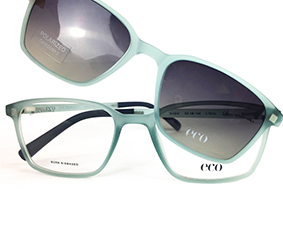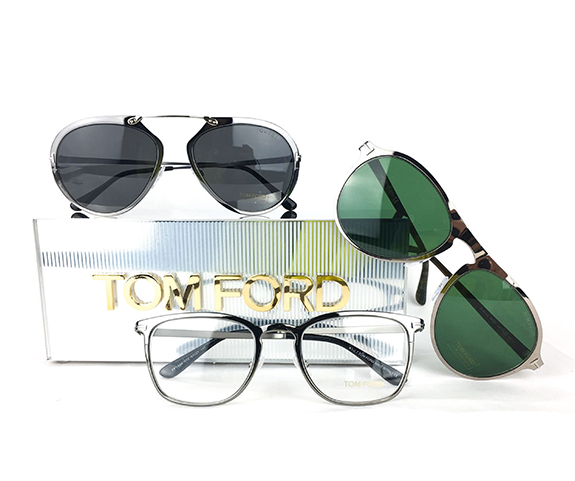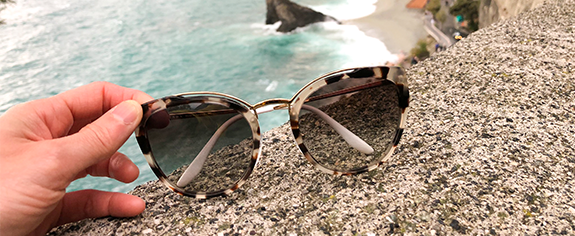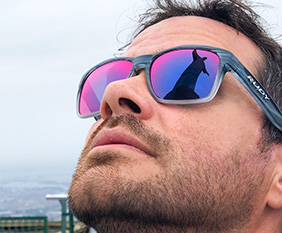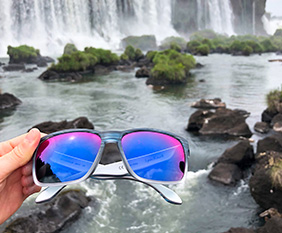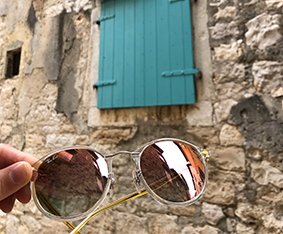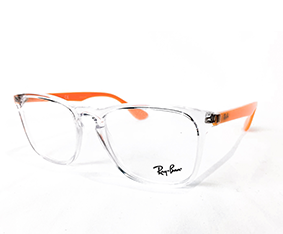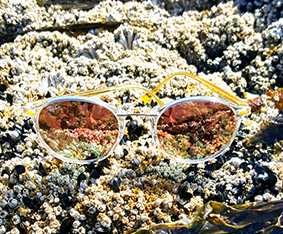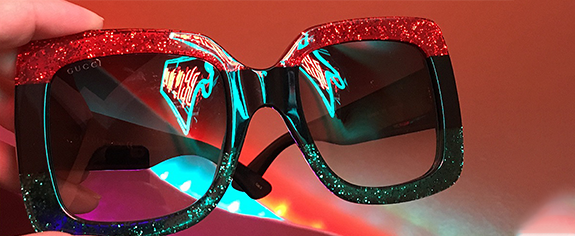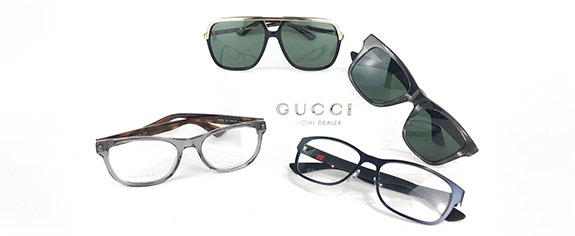
 More data has come out about how harmful UV rays can be to our skin and our eyes. For eyes, overexposure to the sun can cause irreversible short and long-term damage like dry eyes, cataracts, and even eyelid cancer. That’s why polarized sunglasses should be seen as important as wearing sunscreen on your face.
People who wear glasses commonly complain that they can’t wear sunglasses because they wear glasses to see. But, it’s not possible to go through 100-degree heat in Frisco with just your glasses. The entire month in August it’s so bright, I probably wear my sunglasses as much as my glasses. Purchasing prescription sunglasses changes your life and greatly increases your comfort.
The most common complaint I hear in the summer months is, “the sun and the brightness really affect my eyes so much, and I feel my eyes are burning.”
My follow-up question is always, “Is that with your sunglasses?’
And I am shocked to hear how many people respond with, “Oh no, I mean it’s bright with my glasses.”
Get the game-changing prescription sunglasses.
Common Conditions Caused by UV Damage to the Eyes
 Besides unbelievable brightness and visual discomfort, what else do UV rays cause?
Aesthetically, the most common sun damage in the eye is called a pinguecula. Pinguecula and pingueculitis are caused by a sensitivity to excessive UV exposure. It commonly appears as a yellow bump on the white part of your eye (conjunctiva).
That yellow bump can also cause blood vessels to appear dilated around it, giving someone the appearance that their eyes are always red.
A more aggressive version of the eyes reacting to UV rays is when a pterygium grows on the cornea. This is non-cancerous, fleshy, triangular growth that typically causes itching or burning sensations and visual impairment. Once a pterygium starts growing on the cornea, it’s noticeable and can only be removed by surgery.
The most well-known damage UV rays cause are early cataracts. Everyone will eventually get cataracts, but no one wants early aggressive cataracts.
 The normal progression of cataracts is slow development over 20 years, and they usually won’t affect vision until several years or even decades after it’s first diagnosed.
But, If someone doesn’t wear sun protection, they commonly get an aggressive version of cataracts and will get changes to their prescription every year, along with declining vision – even with updated lenses.
Cataracts tend to cause a large amount of frustration, especially when they change quickly.
The most damaging thing UV rays cause is solar retinopathy, which can cause irreversible reduced central vision. This blurry vision or blind spot can lead to permanent vision loss. Other symptoms include headaches, abnormal color vision (dyschromatopsia), and seeing objects as smaller than they actually are (micropsia).
The best prevention against the harmful effects of UV radiation is always polarized sunglasses. If you need a second opinion about sun-damaged eyes, come and see us in our Frisco, Texas location.