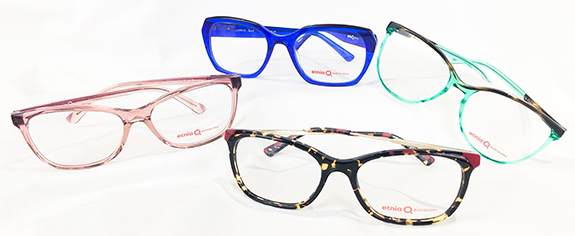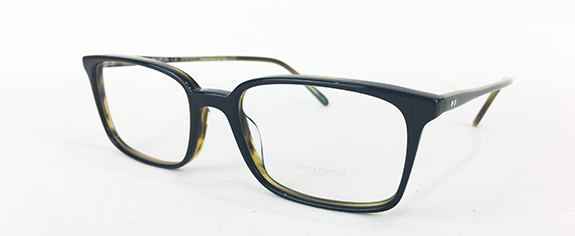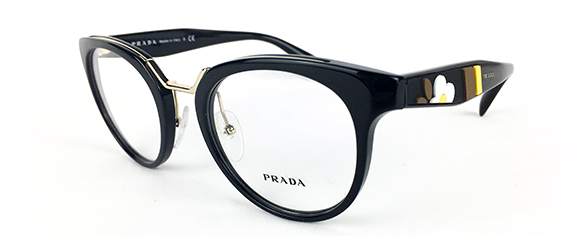
People often struggle with deciding between contacts and glasses, and this is a hard question to answer without understanding a person’s vision goals and without knowing their prescription.
Let me start with contacts.
When Are Contacts a Good Choice?
 Contacts are an amazing option for spectacle independence. There will always be situations where glasses are not possible, such as snorkeling trips, skiing vacations, and beach getaways where you prefer wearing sunglasses all day instead of prescription glasses. Also, people who are extremely active might get tired of their glasses sliding down their nose or getting too oily during high-intensity workouts. These would be great candidates for contacts.
Contacts are also great for travelling in general, so that glasses and sunglasses don’t have to be constantly switched out. Remember, if you lead an active lifestyle, always have a current prescription for contacts on hand.
When Are Contacts Not the Best Option?
Contacts are not recommended if you have a large astigmatism or expect pristine vision with multifocal/monovision contacts. All eye doctors know immediately when a patient should not use multifocal contacts. While multifocal glasses can give you clarity at every focal point, the same cannot be said for multifocal contacts.
With multifocal contacts, different treatment zones of near and distance are shown as you blink and look through the contacts. Your brain will filter near and distance corrections within the contact lens based on what you’re looking at.
Unfortunately, some brains cannot ignore the wrong treatment zone. As an example, imagine you are driving and looking in the distance. When you blink with the contacts, the near zone will come into view while you are driving. Some brains can adapt to this, ignore the near zone, and only focus on the distance ring of the contact lens. However, some cannot.
Also, multifocal and high astigmatism contacts are not meant for use in jobs with heavy computer work, spreadsheets, or small numbers and small print. The contacts are actively moving on the eye while you are blinking, which can make the vision less than perfect.
For anyone who is unhappy with the vision in contacts, I suggest wearing them when traveling and for active activities but avoiding them on long workdays with excessive small print and small numbers.
Also, multifocal contacts cannot work effectively in environments with low lighting. Two jobs that come to mind are a flight attendant and a radiology technician. They both work in low lighting with low contrast, and thus, multifocal contacts do not work. For both occupations, we recommended glasses when at work and contacts for parties and or when traveling.
Choosing Between Glasses and Contacts
For glasses and contacts, both can work in your favor if you explain your visual expectations to your optometrist.
There are also new medications called Qlosi and Vizz eyedrops that can treat presbyopia (the gradual, age-related loss of the ability to focus clearly on nearby objects) for 4-6 hours, so users do not need reading glasses.
When speaking to a large group of people, I say glasses always give you the best clarity, but contacts, on the other hand, can give you greater flexibility, so you aren’t forced to wear frames all day, every day.
Prescription supplements can also give you more flexibility with your vision, but these only last for a few hours.
As always, your first best step is making an appointment with your eye care provider to go over your vision needs and options.
FAQs About Contact Lens Examinations
Q: Do I need a different exam for contact lenses?
A: Yes. A contact lens exam includes additional measurements to ensure lenses fit your eyes safely and comfortably.
Q: What goes into a contact lens exam?
A: In addition to a standard vision exam, a contact lens exam may include corneal mapping, tear film evaluation, and trial lenses to check comfort and vision. Your doctor may also schedule a short follow-up visit to confirm the lenses fit properly and your vision is clear.
Q: How often should I get an eye exam if I wear contacts?
A: Most contact lens wearers should have an eye exam once a year. Regular exams help ensure your prescription is accurate and your eyes remain healthy while wearing lenses.
Q: Where is Avant-Garde Optometry located?
A: Avant-Garde Optometry is located at 9255 Dallas Parkway, Suite 140, Frisco, TX, near The Star and Stonebriar Centre.